
Custom OEM / ODM.
Cosun Technology works with lighting brands, project suppliers, equipment manufacturers and display companies on custom Light Guide Plates, Custom Light Panels, LED sheets, backlight modules, light boxes and related illuminated products for retail display, backlighting and signage applications.
How We Work.
Different projects begin with different levels of information. We can work from a defined specification or help organize a product direction from an application, target effect and installation condition.
When the product basis is already defined.
Suitable for customers with drawings, technical parameters, BOM requirements or reference samples. We focus on manufacturability, prototyping and repeatable delivery, while reviewing the optical effect, LED layout, assembly and production feasibility.
- Build to drawing or approved sample
- Specified material and component production
- Optical and structural optimization
- Branding, labeling and packaging support
- Pilot run and volume production
Start from the Application.
Suitable for customers who know the application and target effect but do not yet have a complete product specification. Development can begin from dimensions, brightness, illumination method, installation space and electrical requirements.
- Application requirement review
- Product and optical configuration
- LED and structural recommendations
- Prototype development and revision
- Volume-production standard definition
Custom Products.
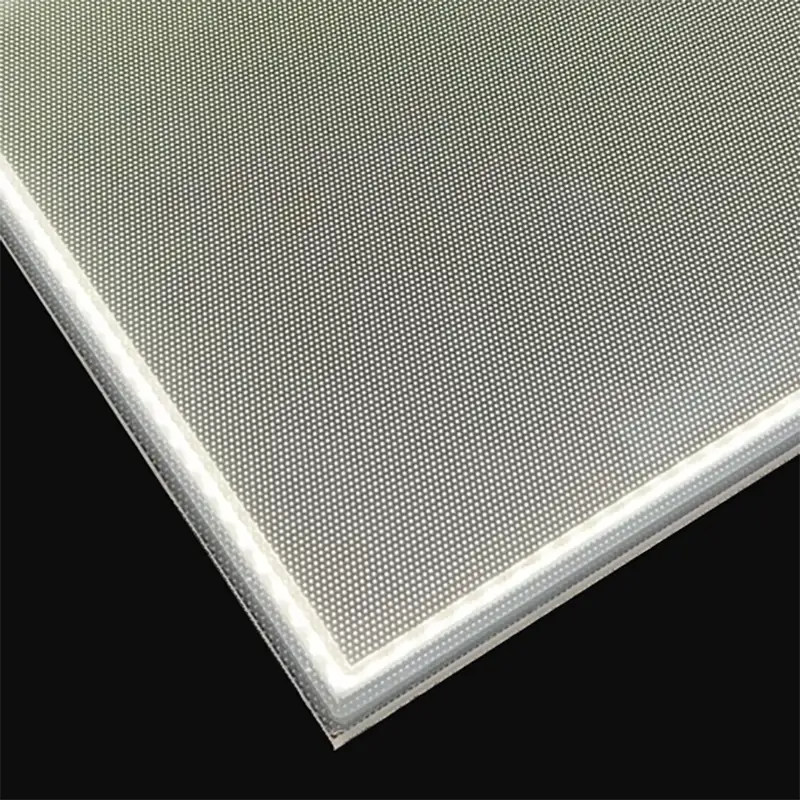
Light Guide Plate
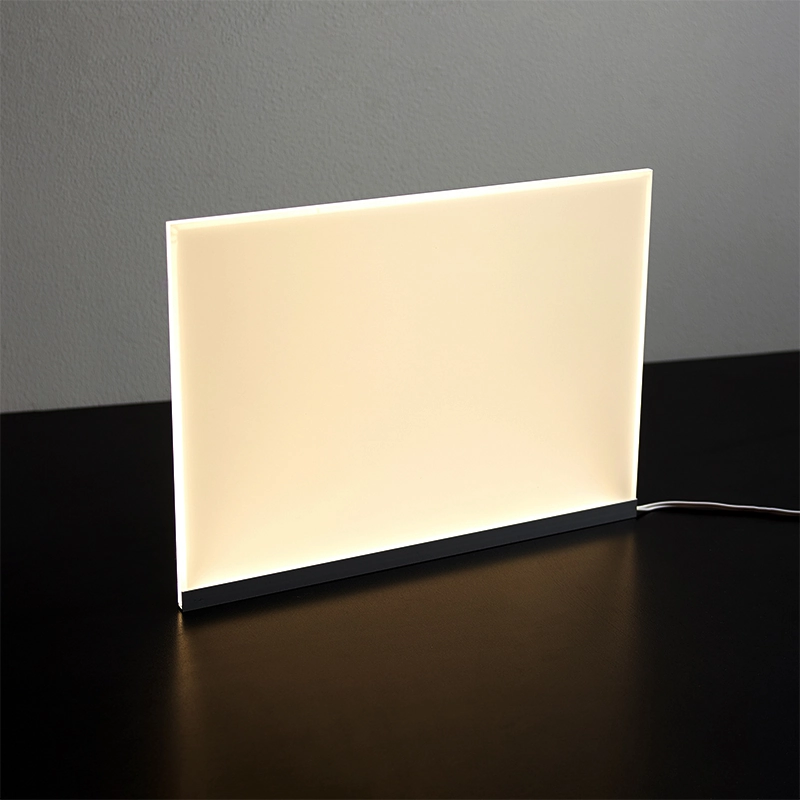
Custom Light Panel
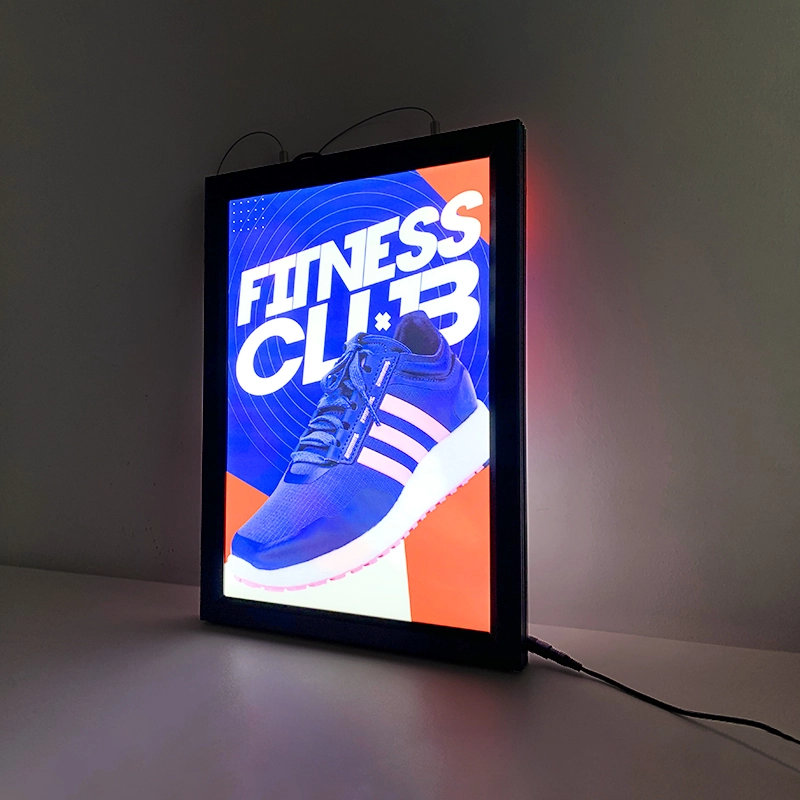
Light Box
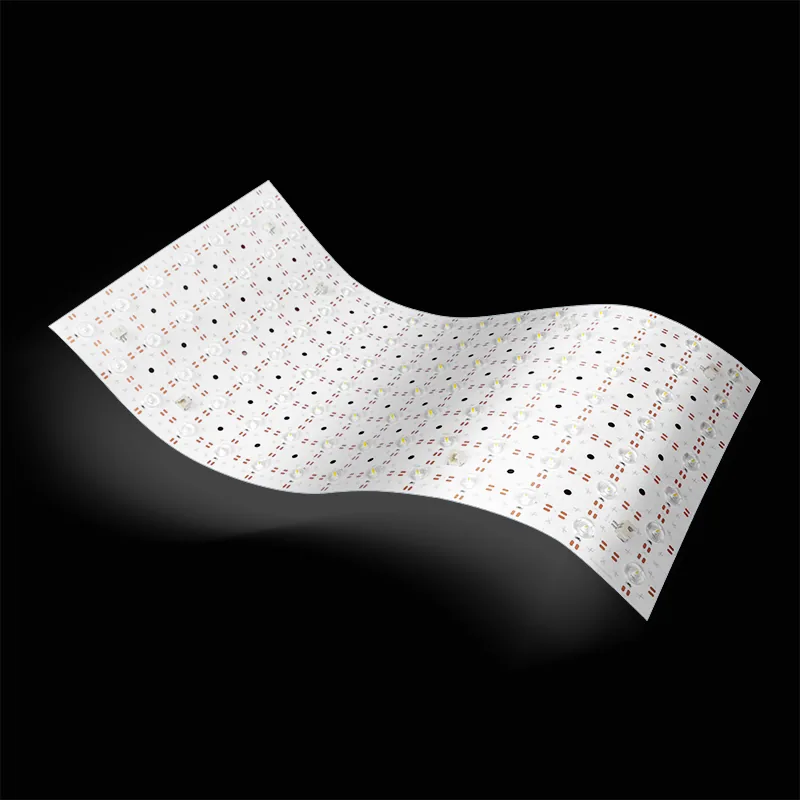
Light Source Components
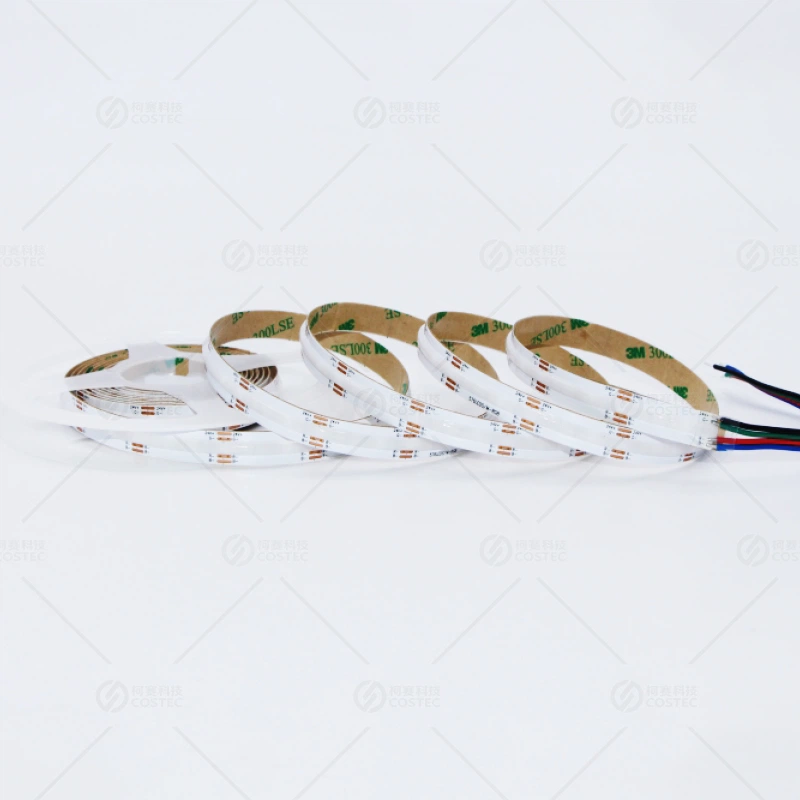
COB LED Strip
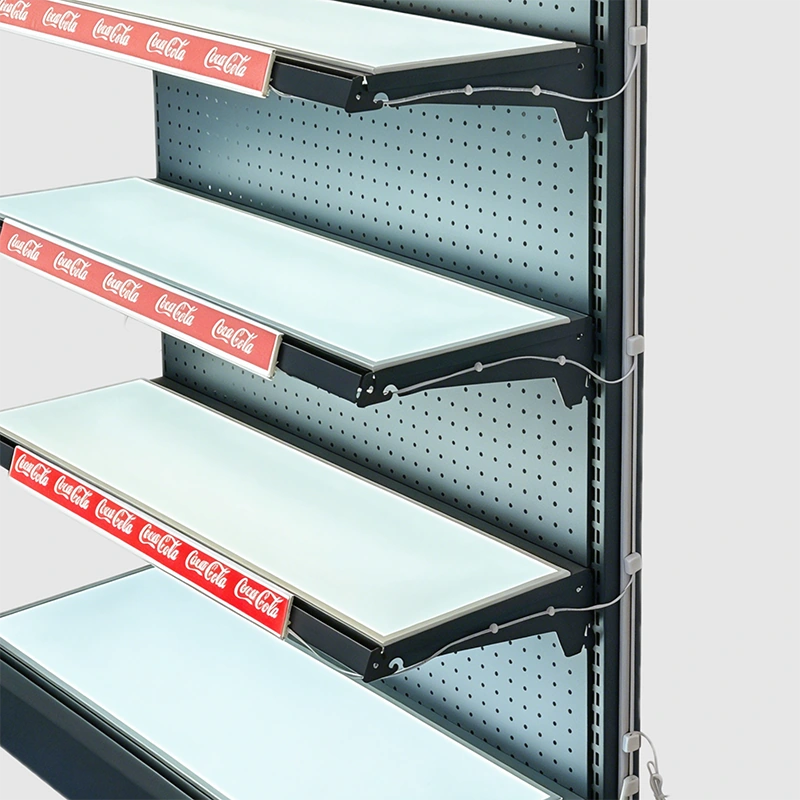
Display Lighting
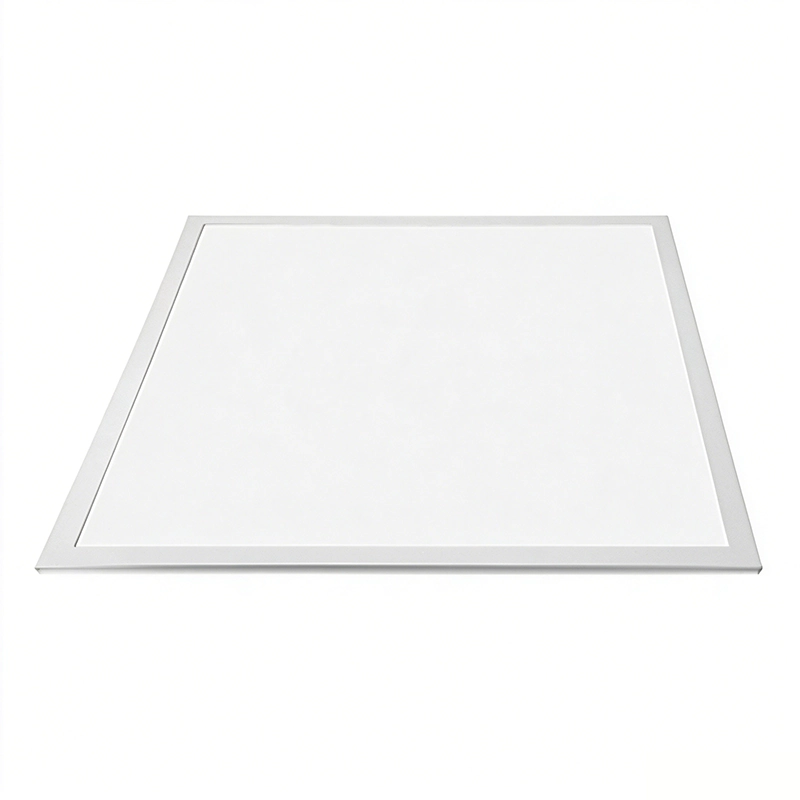
Project Lighting
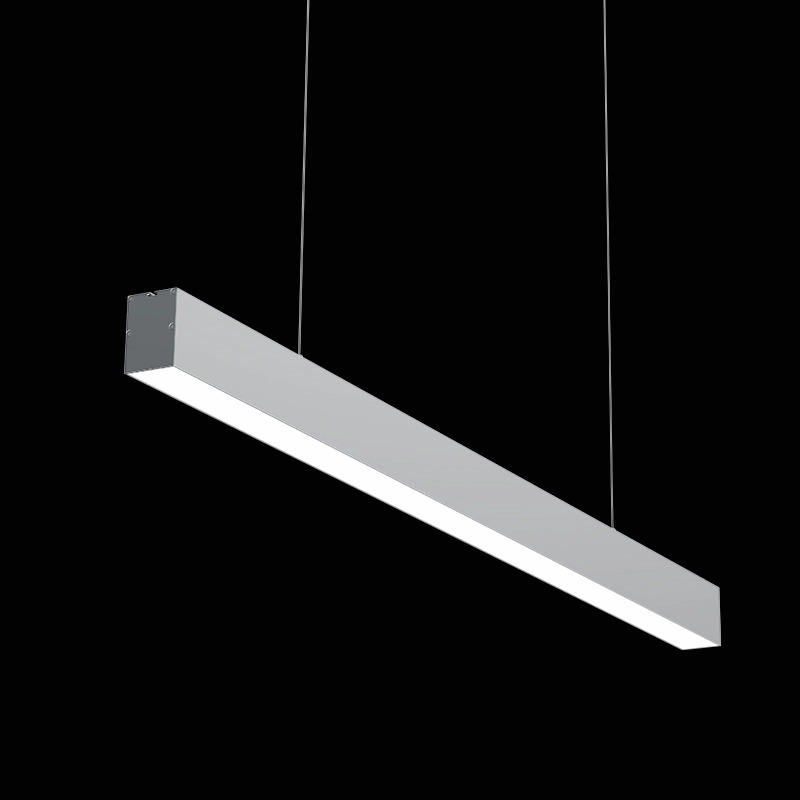
Commercial Lighting
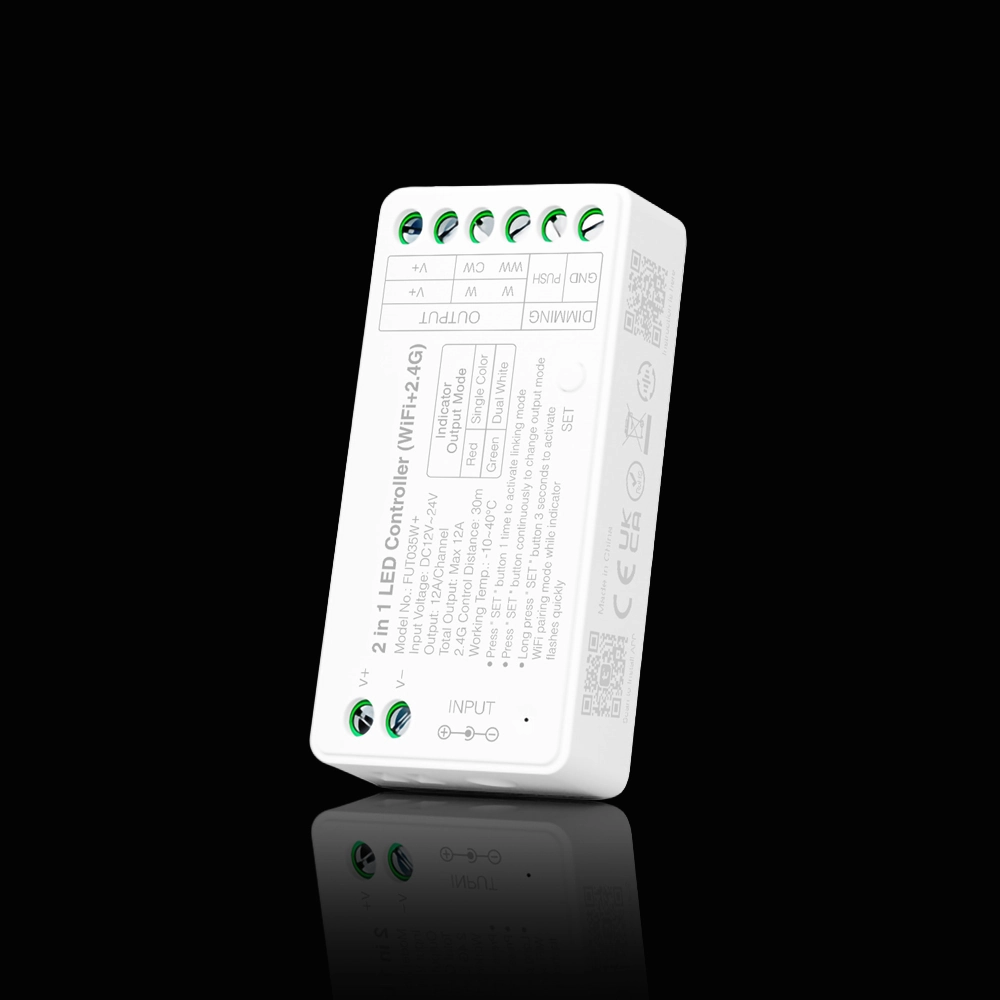
Lighting Accessories
Custom Options.
A manufacturable lighting product also depends on optical performance, LED parameters, material combination, internal space, mounting and repeatable assembly.
Size & Shape
- Length, width and panel thickness
- Square, round and irregular processing
- Holes, chamfers, slots and edge finishing
- Single large panel or multi-panel combination
Lighting Performance
- Brightness and illumination uniformity
- Single-sided or double-sided illumination
- Edge-lit or backlit structures
- Localized brightness or defined illuminated areas
LED & Electrical
- CCT, CRI and brightness level
- Single color, RGB or RGBW
- Voltage, power and cable routing
- Dimming, fading, chasing and linked control
Material Combination
- PMMA optical materials
- Diffuser sheets, films and reflective films
- Flexible / rigid LED sheets and LED strips
- Aluminum profiles, frames and structural materials
Structure & Installation
- Wall-mounted, suspended, recessed or freestanding
- Adaptation for ultra-thin installation spaces
- Graphic-change and maintenance structures
- Power supply, cable and controller placement
Appearance & Packaging
- Frame colors and surface finishes
- Brand marks and product labels
- Protective packaging configuration
- Accessory sets and packing requirements
Project Inputs.
Complete technical documentation is not required at the beginning. We use the information already available to identify what needs to be confirmed next.
Drawings Available
Provide dimensional drawings, structural drawings, electrical parameters or BOM requirements. We review materials, process, lighting performance and manufacturing feasibility.
Reference Sample Available
We evaluate the existing sample structure, materials, brightness, assembly and intended use, then assess reproduction or optimization options.
Target Product Available
Provide product photos, reference links or target effects so dimensions, installation space and performance requirements can be defined further.
Application Requirement Only
Tell us where the product will be used, required brightness, installation method, expected quantity and environment. We help organize the initial product direction.
Development Process.
Each stage is used to reduce late-stage changes and turn the approved sample into a repeatable production standard.
Requirement Review
Confirm application, dimensions, target lighting performance, installation structure, electrical parameters, environment, estimated quantity and delivery plan.
Solution Matching
Match the light-guiding method, LED layout, material stack, structural space and installation method while identifying manufacturing risks early.
Prototype Development
Build prototypes based on the confirmed direction and combine the LGP, LED source, structural parts and supporting materials for validation.
Testing & Adjustment
Check brightness, uniformity, CCT, appearance, assembly and electrical performance, then record changes and update the sample standard.
Standard Lock & Pilot Run
Lock materials, dimensions, BOM, structure and inspection requirements, then arrange pilot production where the project requires it.
Volume Production & Delivery
Produce, inspect and pack according to the final approved sample and production standard, retaining the confirmed basis for recurring orders.
Prototype Validation.
A prototype is not only for visual approval. It is used to verify the material, structure, optical performance, electrical configuration and repeatability required for production.
Lighting Validation
Verify overall brightness, uniformity, edge brightness, local hot spots and the actual illuminated result.
Appearance Validation
Check dimensions, surface treatment, edge details, frame color and appearance before and after illumination.
Structural Validation
Confirm that panels, light sources, profiles, power supplies and controllers can be assembled correctly within the available installation space.
Electrical Validation
Confirm voltage, power, wiring method, dimming/control method and compatibility between electrical components.
Use-Condition Validation
Evaluate continuous operation, temperature rise, splash protection, transport protection or other project-specific conditions as required.
Production Feasibility
Confirm material stability, repeatable processes, defined inspection criteria and potential batch-production variation.
Manufacturing Capability.
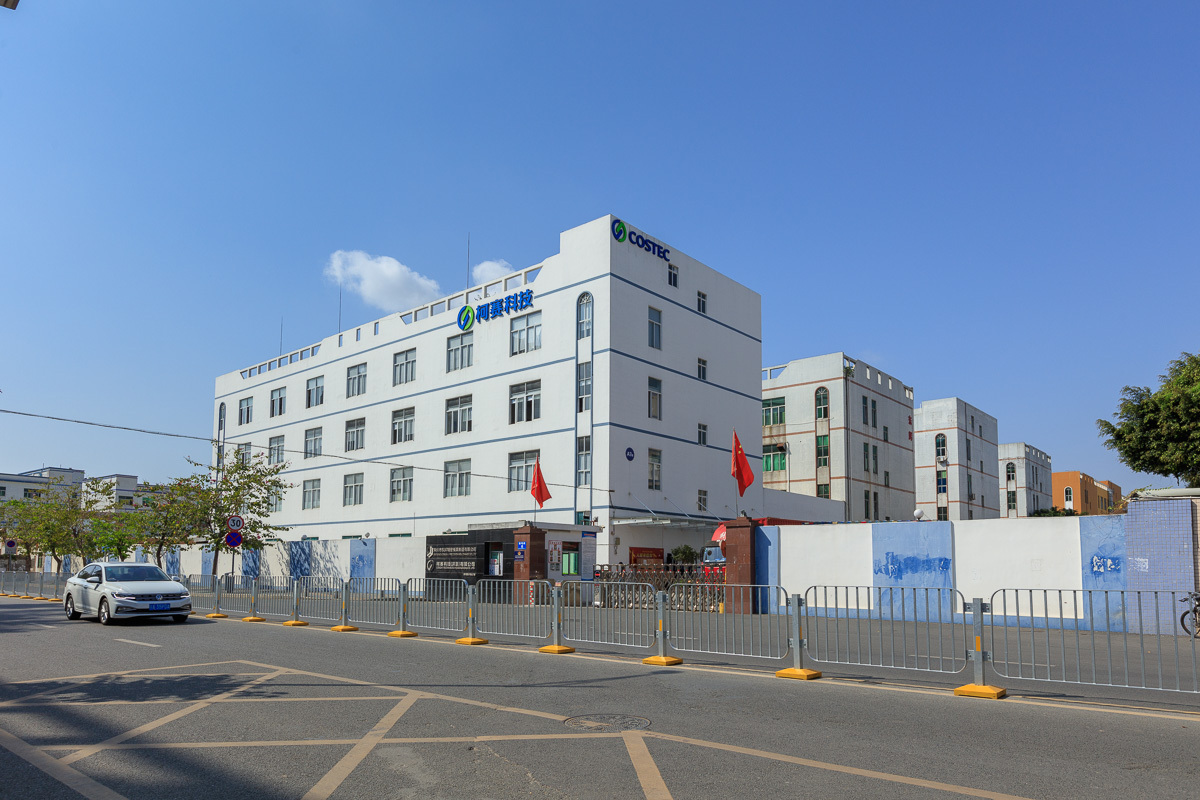
Cosun Technology combines optical processing, LED integration, structural assembly, illuminated inspection and packaging in one coordinated manufacturing flow. This supports both high-mix low-volume development and recurring volume production.
Since 2011
Experience accumulated across optical materials, laser-dot processing, LED matching and lighting-product manufacturing.
10,000 m² Manufacturing Space
Production space for Light Guide Plate processing, LED source production, assembly, inspection and packaging.
Large-Format Processing
Light Guide Plates and Custom Light Panels can be processed up to approximately 2000 × 3000 mm for large-area illumination.
Integrated Production Steps
Material preparation, laser processing, panel machining, LED integration, structural assembly, illuminated inspection and final packing.
Flexible Order Mix
Support for prototypes, small-batch validation and later volume production, suitable for new products, projects and recurring procurement.
Production Standard Retention
After sample approval, key parameters and production standards are retained to support repeat orders and controlled revisions.
Quality Control.
OEM / ODM quality control is not only about producing a good prototype. Materials, parameters, processes and inspection requirements need to remain controlled across batches.
Incoming Material Check
Confirm key materials including optical sheets, LEDs, power supplies, controllers, diffusion materials and structural parts.
First-Article Approval
Before volume production, verify dimensions, structure, lighting performance and assembly against the approved sample.
In-Process Inspection
Check critical stages including panel processing, LED assembly and structural assembly to identify deviations early.
Illuminated Product Check
Verify brightness, uniformity, CCT, control effects and the overall illuminated condition of the finished product.
Appearance & Packaging
Inspect surfaces, edges, accessories, labels and the packaging configuration before shipment.
Standard Documentation
Retain the approved sample, key parameters, material requirements and inspection criteria for repeat production.
Who We Serve.
From new products and engineering projects to long-term equipment supply, the common path is to define the requirement, validate the sample and establish a production standard.
Lighting Brands & Product Companies
For new product development, product-line expansion or long-term manufacturing cooperation.
Project & Engineering Suppliers
For customized illuminated products used in commercial spaces, advertising displays, hospitality, retail and decorative projects.
Appliance & Equipment Manufacturers
For integrating Light Guide Plates, LED sheets or backlight modules into existing equipment and product structures.
Display & Light Box Companies
For sourcing Light Guide Plates, Custom Light Panels, LED sheets, semi-finished light boxes or complete products.
Retail Display & Spatial Design Companies
For custom illumination in showcases, shelves, walls, signs and decorative structures.
Overseas Procurement & Long-Term Partners
For recurring procurement based on defined standards, with attention to batch consistency, packaging and delivery stability.
Project Checklist.
Incomplete information is still enough to start. Additional parameters can be confirmed after the initial project review.
Basic Information
- Application
- Product dimensions or available space
- Installation method
- Use environment
- Estimated quantity
- Required delivery timing
Lighting & Technical Requirements
- Single-sided or double-sided illumination
- Target brightness and CCT
- Voltage and power requirements
- Dimming or dynamic lighting requirements
- Drawings, photos or reference sample
- Packaging, labels and branding requirements
FAQ.
Answers about project inputs, prototyping, MOQ, volume-production consistency, packaging and confidentiality.
01 Can we start development without complete drawings?
Yes. You can begin with the application, target effect, approximate dimensions, installation conditions and reference images. We will identify which product parameters still need to be confirmed.
02 Can you manufacture based on an existing sample?
Yes. We can assess the sample materials, structure, lighting performance and process. Exact reproduction depends on the sample structure, material availability and any applicable intellectual-property requirements.
03 What is the MOQ for a custom product?
MOQ depends on the product structure, materials, processing method and packaging requirements. New products usually begin with a prototype or small-batch validation before volume quantity is confirmed.
04 How long do prototyping and volume production take?
Timing depends on product complexity, material preparation, structural parts or tooling requirements and the number of sample revisions. A project schedule is provided after the available information has been reviewed.
05 How do you reduce differences between the approved sample and volume production?
After sample approval, key materials, dimensions, LED parameters, structural method, BOM and inspection requirements are locked. First-article approval is completed before volume production.
06 Can we run a small batch before full production?
Yes. For new products or projects requiring installation validation, a small batch can be used to confirm assembly and real-use performance before volume production.
07 Do you support custom branding, labels and packaging?
Brand marks, product labels, documentation, inner and outer packaging and accessory combinations can be evaluated according to the order quantity and project requirements.
08 Can project information be kept confidential?
Yes. An NDA can be signed where required. Drawings, samples and technical information supplied for a project are used for that project evaluation and production and are not treated as public marketing material.